Tour the Solar System in this series of short reads. Learn about each planet in turn, from the extreme heat of Mercury and Venus to the cryogenic but astonishingly active Pluto.
MERCURY: ELUSIVE MESSENGER OF THE GODS
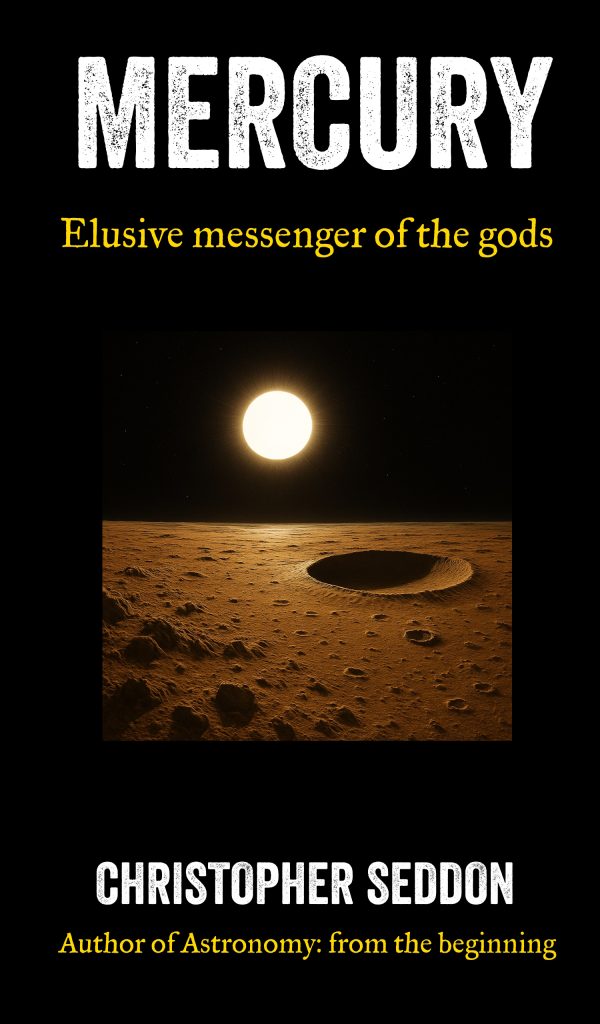
Although brighter than any star, Mercury is so elusive that most of us never see it. Not only it is difficult to observe, it is difficult reach from Earth, and only two space probes have ever visited it – yet Mercury might hold clues about the early history of our Solar System.
VENUS: QUEEN OF HEAVEN OR HELL PLANET?
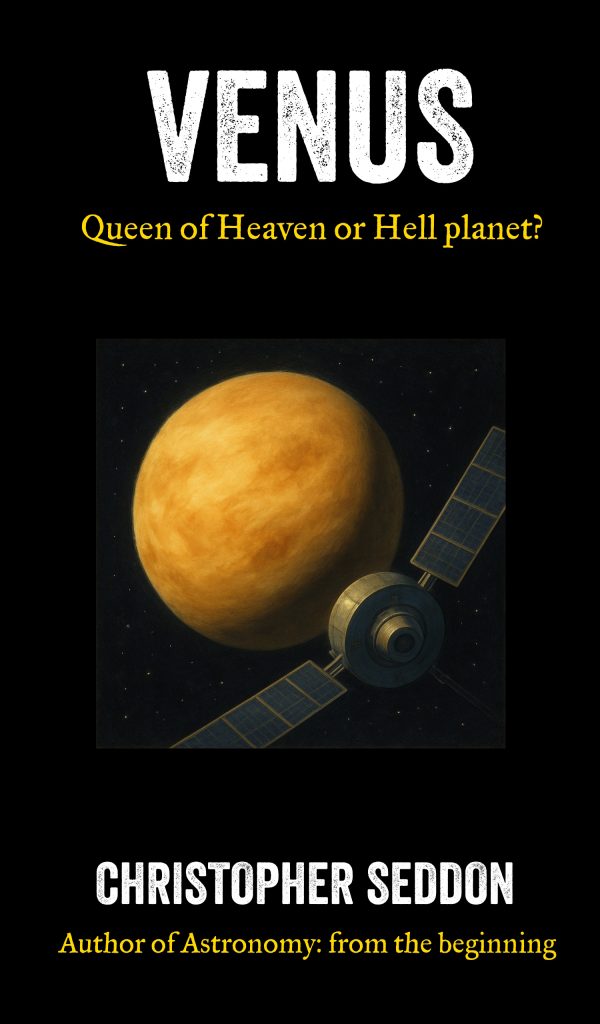
Our views of Venus have changed over the last two centuries – from a tropical or possibly ocean world to a hellish place with surface temperatures higher than the melting point of lead. Despite these hostile conditions, the possibility of life cannot be ruled out.
MARS: THE RED PLANET FROM PRE-TELESCOPIC OBSERVATIONS TO PERSEVERANCE
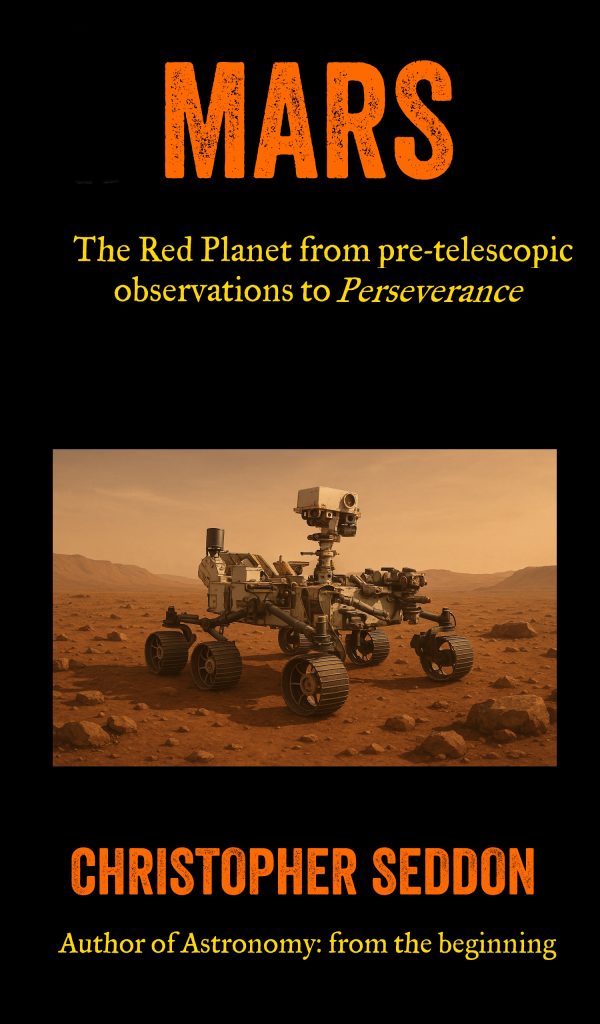
Humanity’s fascination with the Red Planet goes back to antiquity. Its movements were studied and predicted by the ancient Babylonians and Maya. It has featured in more science fiction than any other planet, real or fictional. Spacecraft like SpaceX’s Starship might soon make science fiction into science fact.
JUPITER: KING OF THE PLANETS
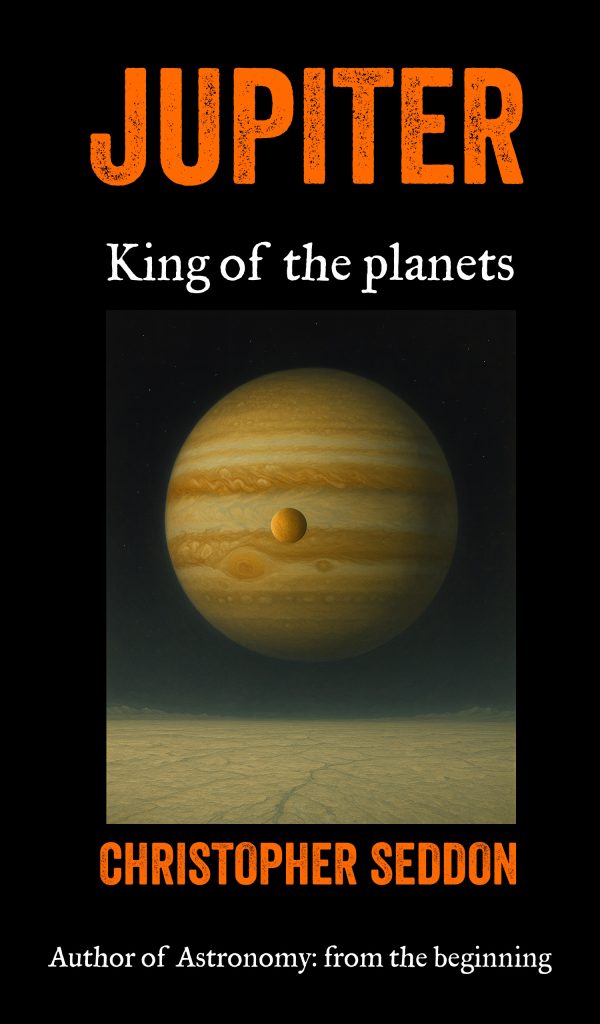
Our knowledge of Jupiter and its four planet-sized moons, Io, Europa, Ganymede, and Callisto, has been transformed by the space probes that have visited this giant world.
SATURN: THE RINGED PLANET FROM GALILEO TO CASSINI-HUYGENS
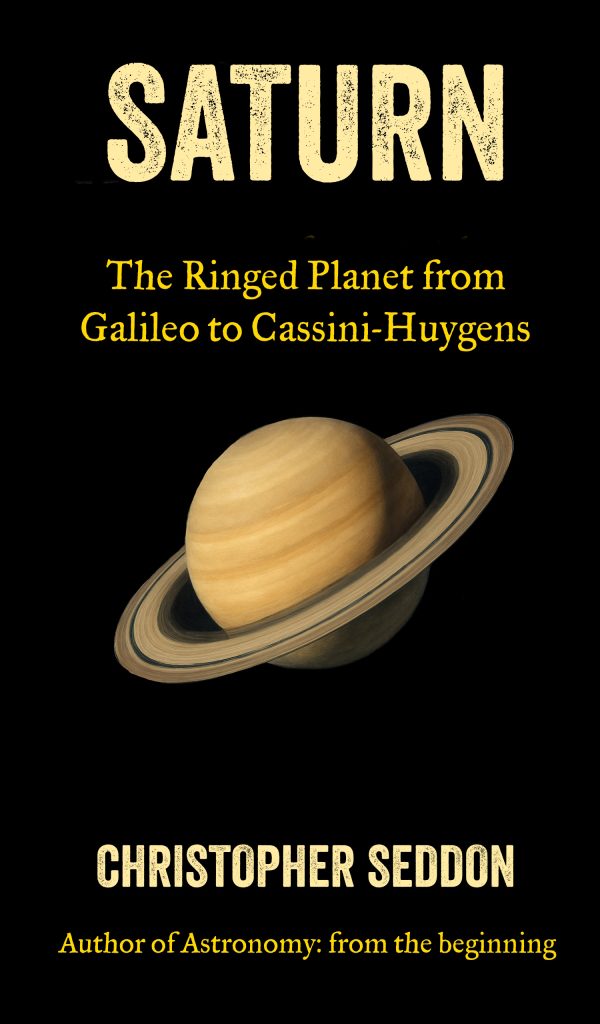
Why are Saturn’s rings so much more prominent than those of the other giant planets? Could the rings and moons be no more than 100 million years old – more recent, even, than the era of the dinosaurs on Earth?
URANUS: THE TILTED PLANET
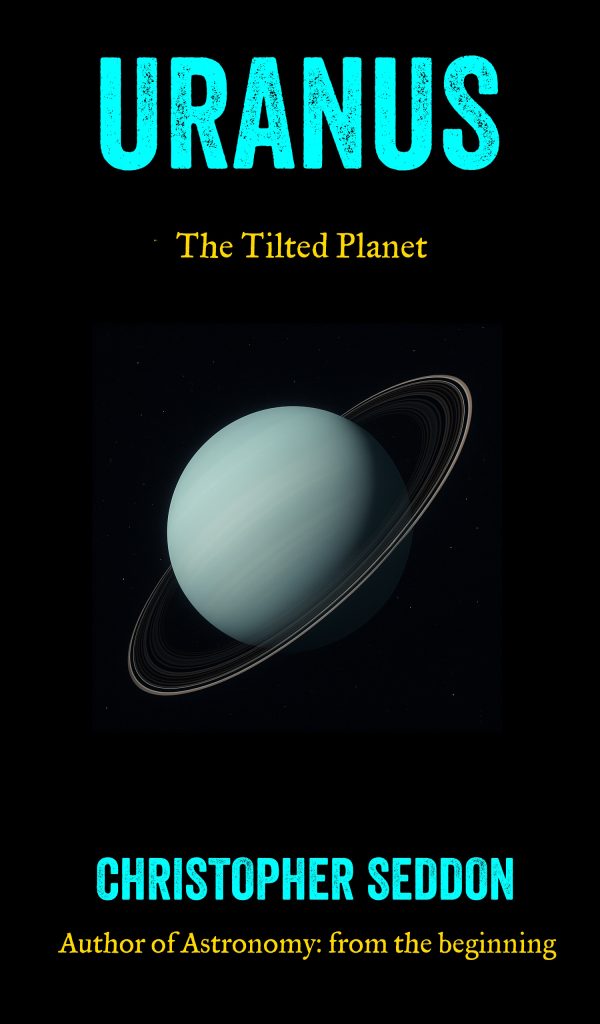
Uranus is the first ‘modern’ planet, not having been discovered until 1781. Despite this, it is visible to the naked eye and possible sightings go back to the second century BCE – but all these early observers thought that it was nothing more than a faint star.
NEPTUNE: FOUND BY MATHEMATICIANS
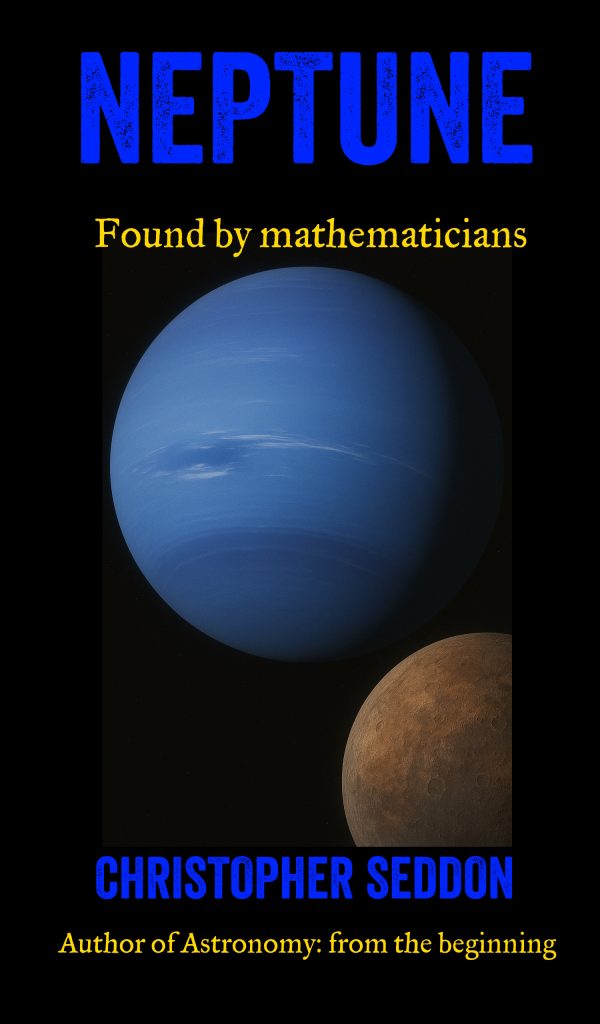
Following Pluto’s demotion, this distant planet has regained its place as the Solar System’s outermost planet; a world so remote that despite being many times larger than Earth, it can never be seen with the naked eye.
PLUTO: DIARY OF AN EX-PLANET
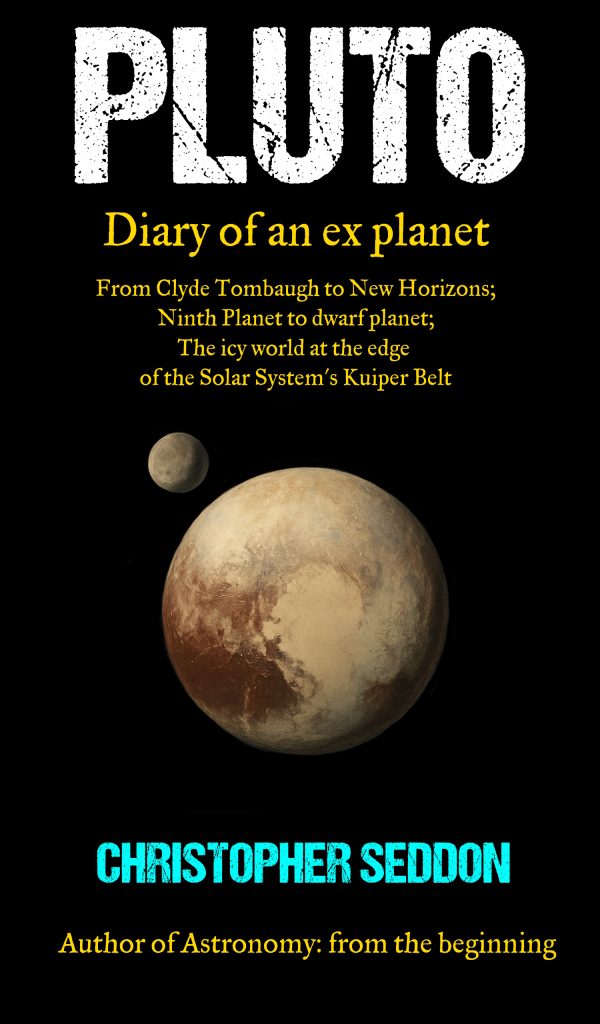
Pluto’s secrets were finally unlocked by NASA’s New Horizons space probe. Among the discoveries were that although Pluto’s atmosphere is a near-vaccum, there are weather systems with significant effects on surface features. Pluto may also experience cryovolcanism – eruptions of cryogenic fluids and slurries rather than silicate magma.
ASTEROIDS AND DISTANT MINOR PLANETS: TIME CAPSULES OF THE EARLY SOLAR SYSTEM
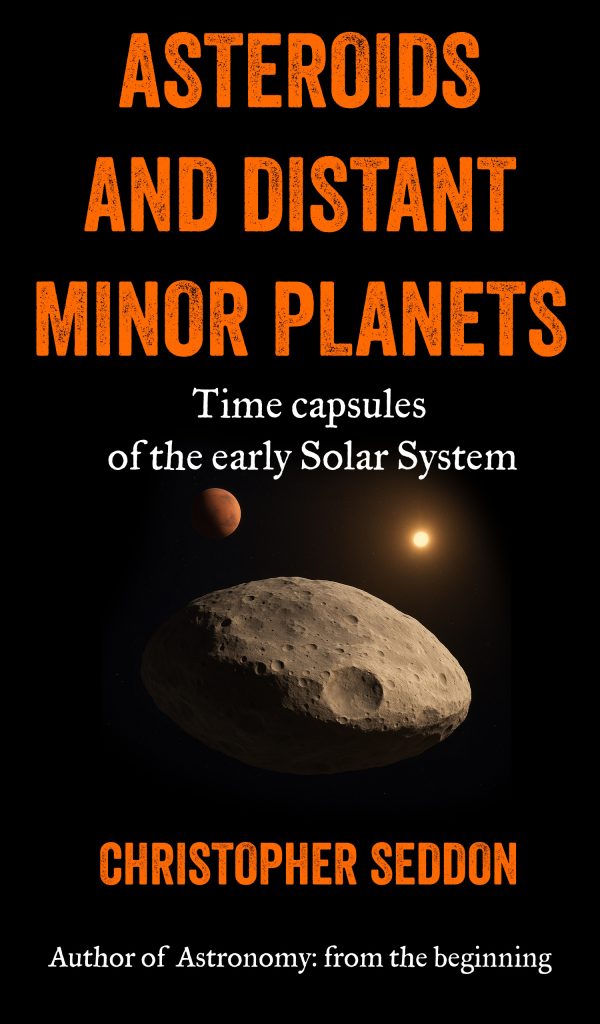
Once dismissed as “vermin of the skies” and “of very little interest to anybody”, minor planets are now of great interest to astronomers and planetary scientists. They offer tantalising clues about the early history of the Solar System – time capsules of the Solar System, preserving material from its earliest stages of formation.
TARGET EARTH: FROM CHIXULUB TO CHELYABINSK – THE ASTEROID PERIL
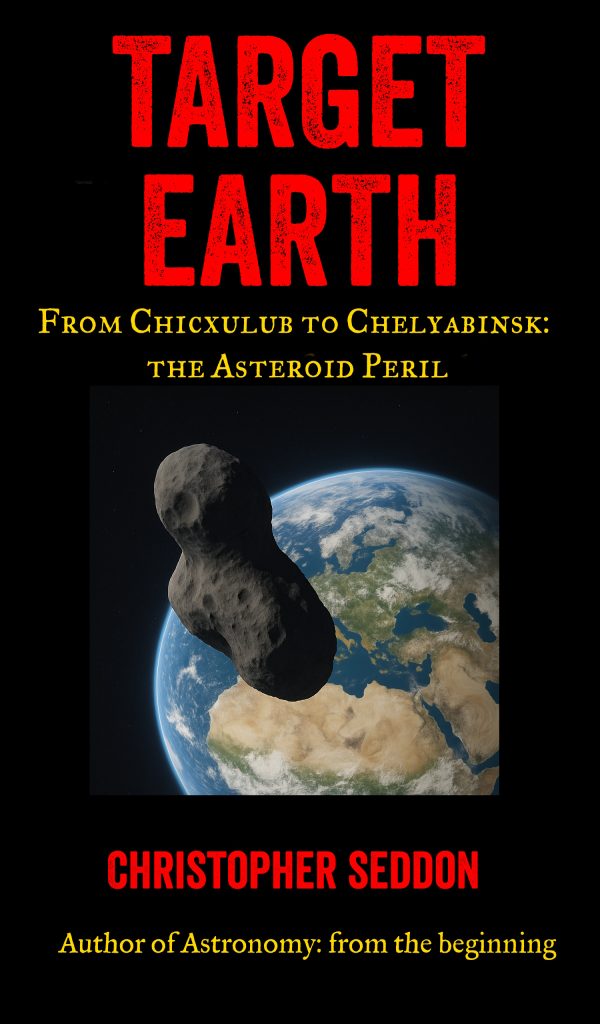
We now know that Earth is not immune to asteroid impacts. From the dinosaur-ending Chicxulub impact to the multi-megaton Tunguska explosion of 1908 and the Chelyabinsk airburst of 2013, we have had plenty of warnings of what such an event can do.
THE CARRINGTON EVENT: ARE WE READY FOR THE NEXT MAJOR GEOMAGNETIC STORM?
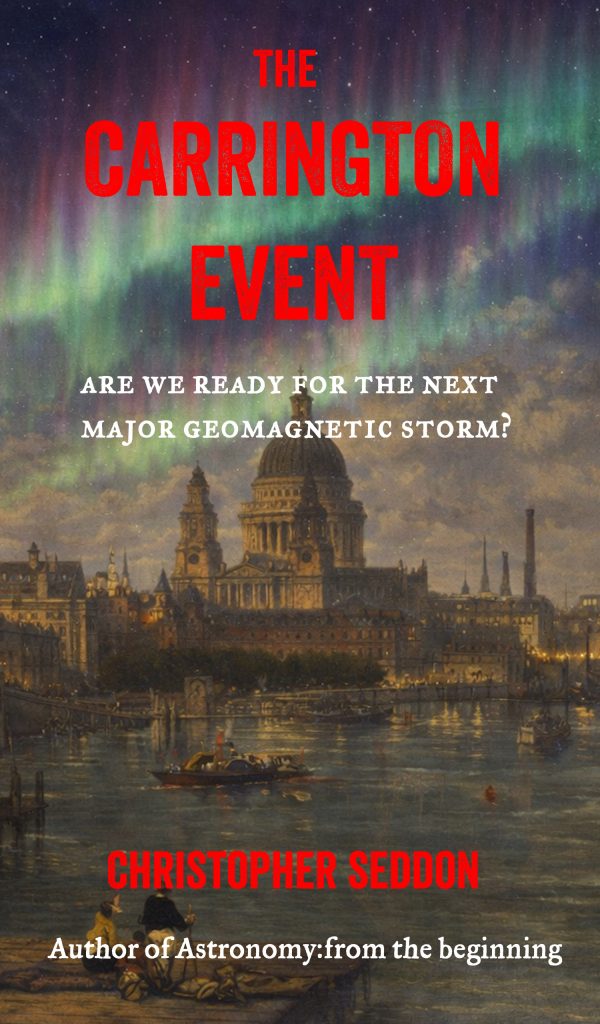
Between 28 August and 5 September 1859, Earth experienced the most signifcant geomagnetic storm of the last two hundred years. The storm produced spectacular auroral around the world, but the effects were not limited to spectacular light shows. The world’s nascent telegraph network experienced disruption, with a significant portion rendered unusable for eight hours or more. The effects of a comparable event today would be far worse.
THE FORMATION OF THE SOLAR SYSTEM: FROM KANT AND LAPLACE TO NICE AND THE GRAND TACK
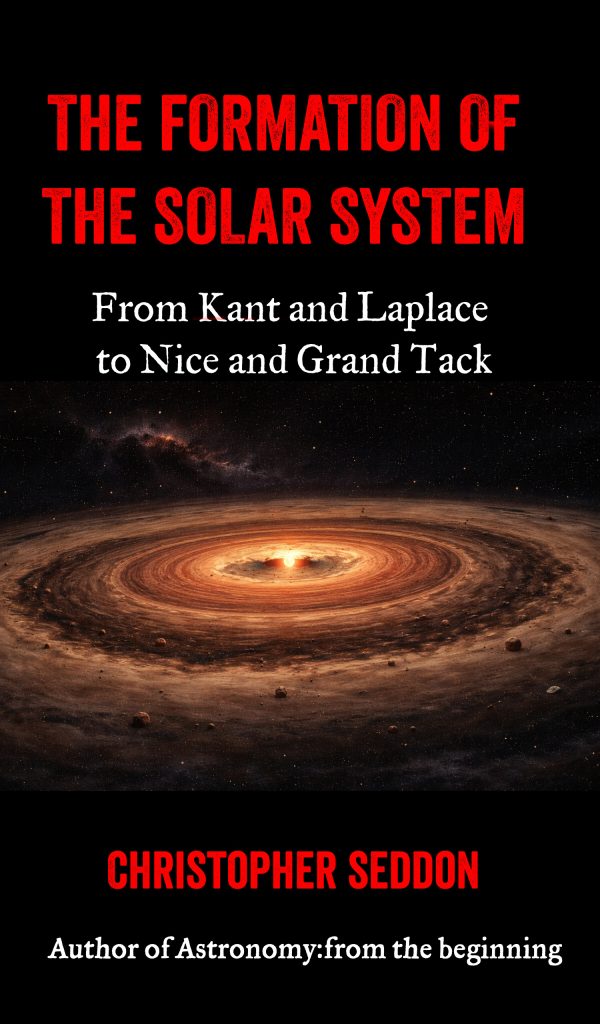
As astronomers began to discover planetary systems around other stars, our familiar Solar System was revealed to be an outlier. Planetary scientists were forced to revisit their theories about its early history. Why is the Solar System so different from any planetary system we have observed?