How Homo sapiens, Neanderthals, Denisovans, and hobbits emerged from the Muddle in the Middle
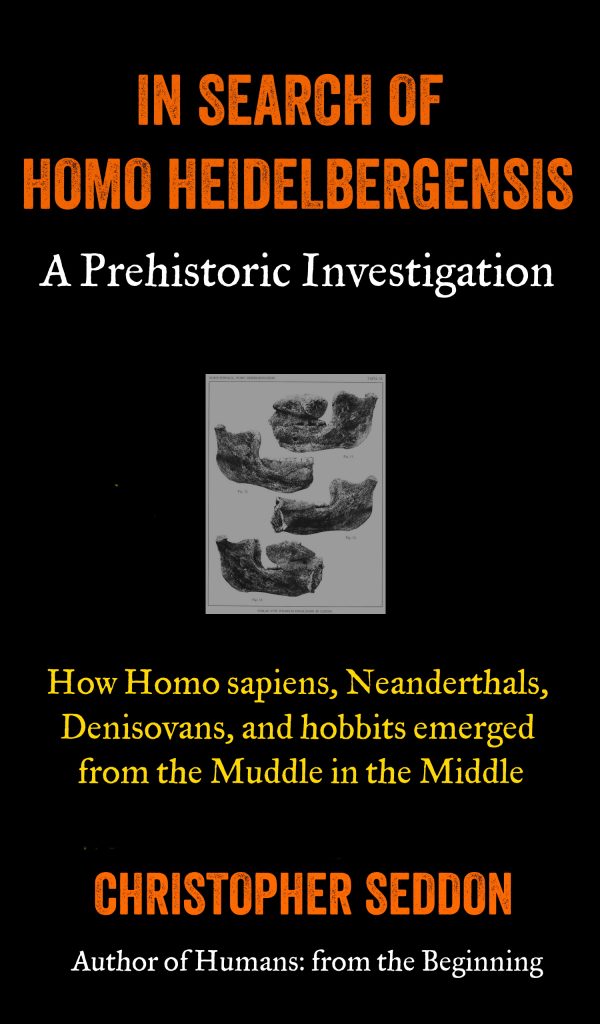
For many years, palaeoanthropologists believed that human evolution was a straightforward progression from the ape-like australopithecines, to the more human but still small-brained Homo erectus, to the larger-brained Neanderthals and Homo sapiens. This compellingly simple and elegant scenario was routinely featured in museum displays. But by the 1990s, it was becoming clear that this scenario was massively over-simplified. Conventionally lumping together Middle Pleistocene hominin fossils as ‘archaic Homo sapiens’ or Homo heidelbergensis hid the true complexity of what became referred to as the ‘muddle in the middle’.
This is the story of how genetics and the many fossil discoveries of the early twenty-first century have begun to clarify human evolution in the Middle Pleistocene and explain how Homo sapiens emerged into a world it shared with Neanderthals, Denisovans, and ‘hobbits’.
This work is no. 5 of the In Search of series of eBook Short reads.
** This and the other 11 short reads in this series are available in a single collection: Prehistoric Investigations 2: In Search of ***