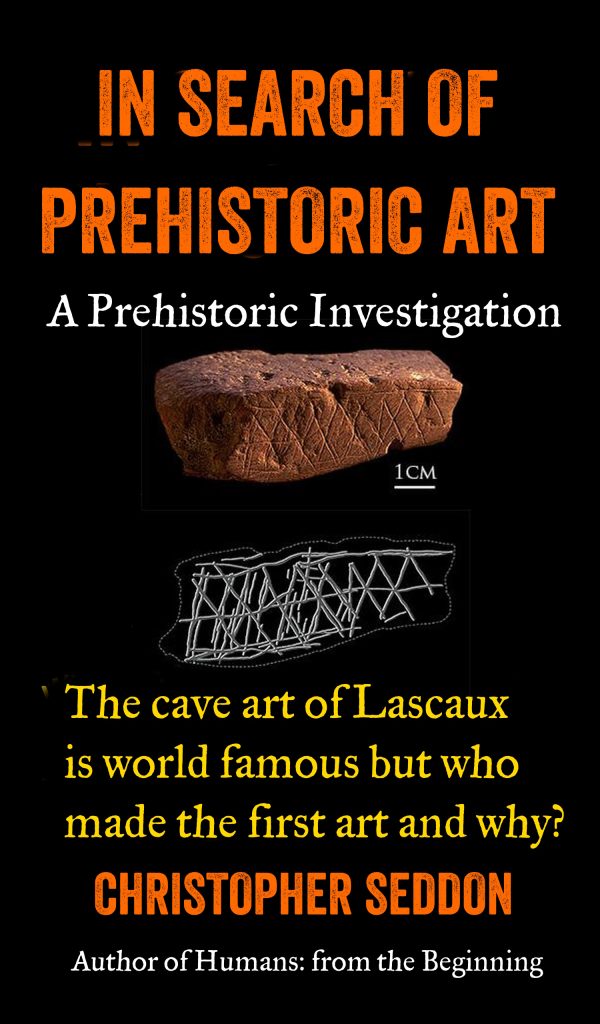
The cave art of Lascaux, Altamira, and many other European Upper Palaeolithic sites is world-famous. The discovery of the first cave art shattered nineteenth century perceptions that the people of that era were primitive savages. But why was such an extraordinary variety of cave art and portable objects created, and how and where did this artistic tradition originate?
One of the most important archaeological discoveries of the last two decades has been the existence of an even earlier cave art tradition thousands of miles from Europe, in Island Southeast Asia. Did the two traditions have a common origin, still further back in time, or did they arise independently?
Predating these two cave art traditions are two separate abstract graphic traditions from South Africa. Did figurative art arise from these or similar abstract traditions, or was it a separate development? How and why did the abstract traditions themselves arise?
We investigate the substantial body of prehistoric art ranging from the Lascaux Cave paintings to the enigmatic Berekhat Ram pebble and a half-million-year-old mussel shell with abstract engravings made by Homo erectus.
This is the seventh work in the In Search of series of eBook Short Reads.
*** This and the other 11 short reads in this series are available in a single collection: Prehistoric Investigations 2: In Search of ***