The humans who lived two million years before the Neanderthals
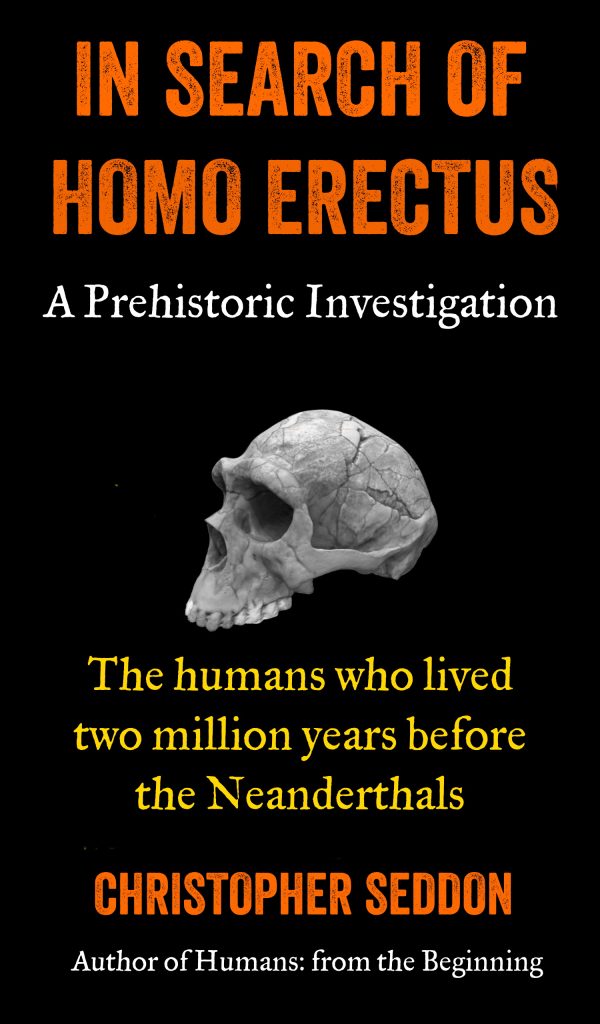
Eugène Dubois believed that he had found the missing link, a view he would continue to hold until his death. His quest had taken him to the island of Java, then part of the Dutch East Indies. He had found the first example of an extinct human that had lived significantly before Homo sapiens – but for all his protestations, it was not the missing link.
Dubois’s them-novel approach of seeking human origins through fossil hunting arguably gave birth to the discipline of palaeoanthropology. The fossil skull he found near the village of Trinil, which he named Pithecanthropus (‘ape-man’) we now know as Homo erectus.
Homo erectus is as not as well-known to the general public as the Neanderthals but was far longer lived as a species. The earliest Homo erectus may have lived more than two million years ago, and late survivors may have interbred with Homo sapiens as recently as 11,500 years ago.
The Turkana Boy, a Homo erectus skeleton from Kenya, is more complete than the famous Lucy and indeed any hominid fossil prior to 130,000 years ago, with only a few bones missing from the hands and feet.
Homo erectus was, as far as we know, the first human species to leave Africa.
Homo erectus presents us with evidence for the earliest use of fire and there are tantalising clues that these early humans possessed some capacity for symbolic thought.
This 12,000-word eBook Short Read is the second in the In Search of series.
*** This and the other 11 short reads in this series are available in a single collection: Prehistoric Investigations 2: In Search of ***