From Palaeolithic Figurines to Urban Kilns: The early history of ceramics
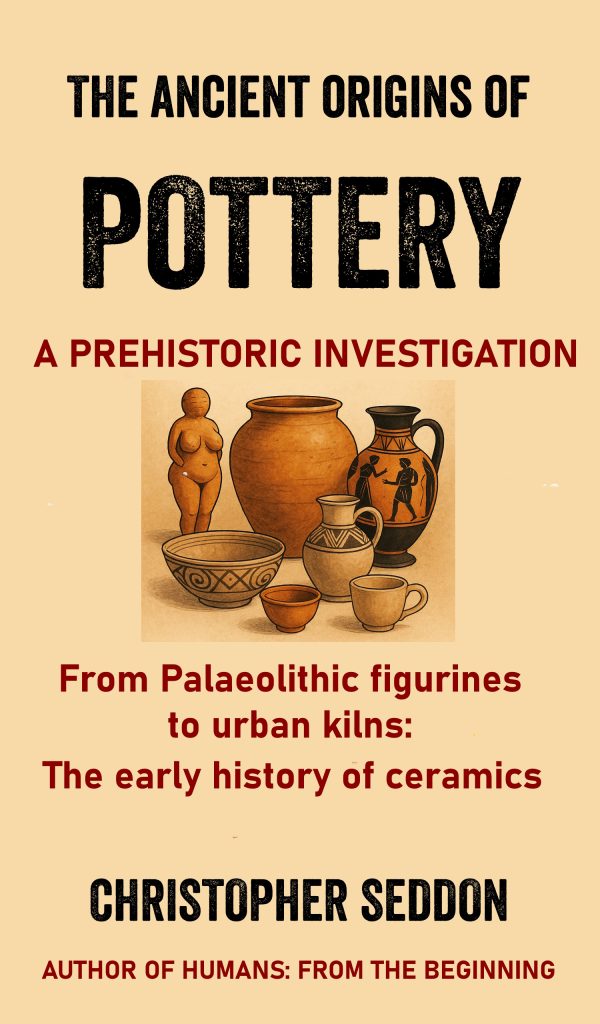
One of the most powerful examples of human creativity and ingenuity is the ancient craft of pottery, with its delicate balance of form, function, and cultural expression. From the first clay figurines of the Upper Palaeolithic to the complex wheel-thrown vessels of later urban societies, the development of pottery was driven by these considerations.
The early ceramics of Japan, southern China, and the Russian Far East have overturned the long-held assumption that the use of pottery was restricted to agricultural societies. Instead, they show that it existed in many pre-agricultural contexts, both as utilitarian and prestige ware.
Technological advances such as the potter’s wheel and the development of kilns did not arise in simple progressive steps, nor were they adopted uniformly. In some regions, elite restrictions of knowledge slowed their spread, while in others, trade and ritual were drivers of rapid adoption. Decorative styles, from Halaf painted ware to the red-figure and black-figure works of Ancient Greece, transformed pottery into a medium for artistic innovation.
To the archaeologist, pottery offers a durable record of the past, surviving long after more ephemeral artefacts have decayed. Pottery provides vital clues about the societies that produced it, ranging from day-to-day existance to trade and other long-distance interactions.
This is the first in The Ancient Origins of series of 15,000 word eBook Short Reads.